When the Live Board Goes Dark: Reading the Signal in a Suspended Market
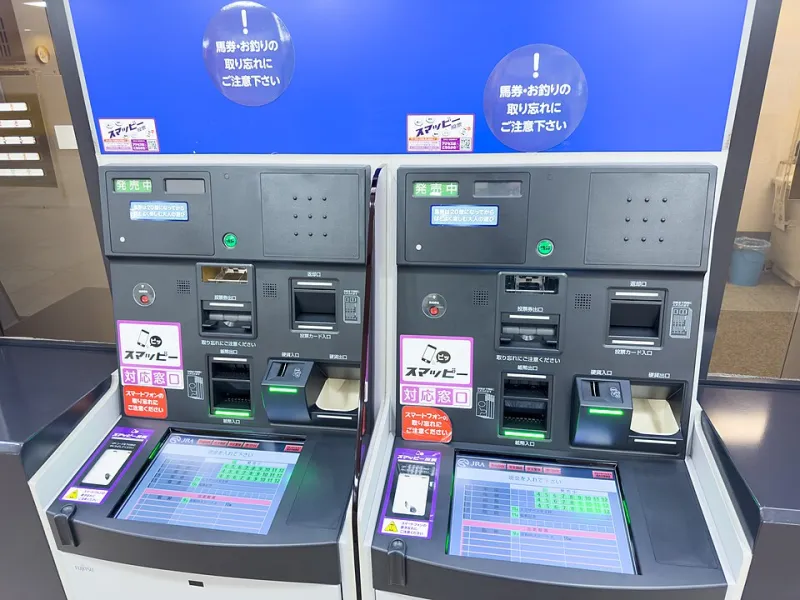
Photo: Dick Thomas Johnson from Tokyo, Japan, CC BY 2.0, via Wikimedia Commons
Sunday afternoon, fourth quarter, phone on the armrest. The live board for the game you're watching goes gray. No odds, no accept button, just a spinner where the number used to live — and that little knot in your stomach that says you were about to be right.
Suspended live markets are the most misread signal in American sports betting. Bettors treat the freeze like a pause button, as if the game is holding its breath until your bet lands. It isn't. That board didn't go dark so you could think it over. It went dark because the book, for a moment, decided it couldn't price what it was looking at.
That's a very different sentence, and it's worth unpacking.
Why the Board Actually Freezes
There are really only a few reasons a live market gets pulled, and they tell you different things.
A play is under review. NFL replay assist, a college football targeting review, an out call at second base that's headed to New York. Until the officials decide, the state of the game is literally unknown, and no algorithm can price an unknown.
Someone is hurt. A medical cart on the field, a point guard on the floor grabbing a knee, a pitcher walking off with the trainer. The book has no idea if the guy comes back, and neither do you — but the trainers know first, then the sideline reporter, then the market.
A scoring play just landed. Especially in the last two minutes of a half, when the clock rules get weird. Helmet catch, two-point conversion, quick review of whether the ball crossed.
The book got heavy. This is the one bettors ignore. Sometimes nothing happens on the field at all. The market simply took on more money on one side than the house wants to hold, and the fastest way to stop the bleeding is to pull the number, let the liability breathe, and re-post at a price that fits.
The data feed hiccuped. Occasionally the freeze has nothing to do with the game. Odds feed providers push updates to hundreds of books at once. If three or four apps freeze at the exact same second on the exact same game, that's not a sharp bettor — that's a pipe somewhere.
The Freeze Is a Confession, Not an Invitation
Here's the mental shift worth making: a suspension is the house saying out loud that its model is off. Sometimes it's off because of a replay review. Sometimes it's off because a whale just hammered the under. Either way, the reopening number is not the old number with the dust blown off. It's the old number plus everything that happened during the pause, plus whatever cushion the book decided it needed to rebuild its position.
That's why chasing the reopened line so often feels like getting kicked in the teeth. You're buying the news after it's been priced, and you're paying a premium the book slapped on top for its own protection.
And on the fast end of the spectrum, there's a sharper problem: some accounts see the field before the feed does. If your app froze because a receiver just broke free down the sideline and the provider's feed lagged, you're not competing against the book's model — you're competing against people whose data arrived four seconds earlier. You will not win that race by tapping faster.
The Hole Between the Two Numbers
Start doing this and the lesson sticks. When a market suspends, jot down the last number you saw. Then look at the reopen. That gap is the cost of the information you didn't have, plus the house's safety margin.
A 12-cent move on an NFL spread after a review is normal. A 40-cent move on a total after a starting pitcher gets hit in the shin is the market repricing an entire game state. If the gap is huge, that's not an opportunity — it's a receipt showing how far behind the information you were.
One Rule That Keeps You Out of Trouble
Call it the written-number rule, and it's about as simple as it gets.
Before you place any live bet, write your number down. In a notes app, on a napkin, in the group chat — doesn't matter. Live spread, live total, live moneyline, whatever you're eyeing. Then if the market freezes, you have a standard to measure the reopen against instead of a gut feeling.
- If the reopened price is at or better than the number you wrote down, you can think about it again as a fresh decision.
- If the reopened price is worse, you already missed it. That's it. Missing a bet costs you nothing. Chasing one costs you the stake.
- If the same market suspends twice in a five-minute span, walk away for ten minutes. Twice means the situation is unstable and the book is guessing. You should not be guessing alongside them.
The Tilt Tax on a Frozen Screen
There's a behavioral cost buried in all this. A freeze creates urgency, and urgency creates dumb bets. Bettors who watched a play unfold and felt certain they knew the outcome will happily pay 25 cents of juice to be right about something they already watched happen. That's not betting, that's buying a souvenir of your own opinion.
The sportsbooks know this. The freeze is a moment of maximum emotional heat, and the reopen is a moment of maximum willingness to overpay. That pairing is not an accident of technology. It's just the shape of the thing.
What to Do With Your Hands
- Screenshot the freeze. Not for a dispute — for your own memory. In an hour you will not remember the pre-freeze number accurately.
- Check a second book. If only your app froze and the rest of the market is live and steady, that's an app problem. If everyone froze, it's a game problem.
- Set a 60-second cooldown after any reopen. Not a hard rule from the gambling gods — just a speed bump that lets the adrenaline drain before your thumb does something dumb.
- Log the outcome. Two weeks of notes will tell you whether the reopen is beating you. Most people find it is, by a mile.
Live betting is the fastest product on the board and the fastest way to donate. The freeze is your one built-in moment to slow down. Treat it like a red light, not a starting gun.